
🚀 Key Takeaways:
Closing learning gaps begins with teachers who refuse to give up. After 16 years as a remedial teacher at SK Methodist Kapit, Cikgu Magdeline continues to help students rebuild their confidence in learning.
Structured support and digital tools make a difference. Through Program Anak Kita, targeted teaching strategies combined with Kayam School and ENUMA School helped students strengthen their literacy and numeracy skills.
When confidence grows, learning follows. In 2025, her pupils achieved a 94.12% exit rate from the remedial programme, proving that with the right support, every child has the potential to succeed.
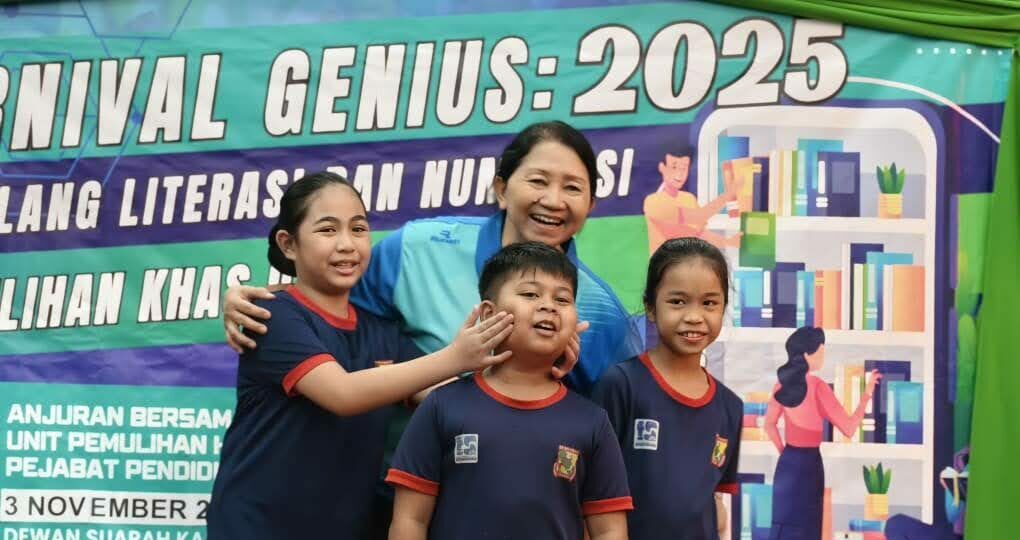
In many classrooms, students who struggle quietly begin to believe they are not capable of learning. For Cikgu Magdeline Anak Medang, a remedial teacher at SK Methodist Kapit, changing that belief has been her mission for the past 16 years. Through Program Anak Kita, she found new ways to help students rebuild their literacy and numeracy foundations, one small step at a time.
After 16 years as a Special Remedial teacher at SK Methodist Kapit, she has seen many children arrive in her classroom carrying quiet struggles. Some hesitate to read aloud. Others avoid answering questions, afraid of getting the answer wrong. Over time, those small struggles can grow into something heavier, a loss of confidence in learning itself.
When the Bridging Learning Loss pilot programme began in 2024, followed by Program Anak Kita in 2025, she saw an opportunity not just to improve learning outcomes, but to help her students rebuild their confidence.
“When I was first introduced to Program Anak Kita by Chumbaka, I felt both excited and challenged,” she recalls.
The learning gaps after the pandemic were clear in her classroom. Many early-year pupils were still struggling with basic literacy and numeracy. Some could not recognise simple words. Others were unsure how to approach even the simplest exercises.
But instead of seeing these challenges as barriers, Cikgu Magdeline saw them as a responsibility.
“My hope was simple,” she says. “I wanted to help my students close their learning gaps in a way that was structured and meaningful.”
Teaching with Patience, One Step at a Time
From the beginning, Cikgu Magdeline knew that real change would require careful planning and teamwork.
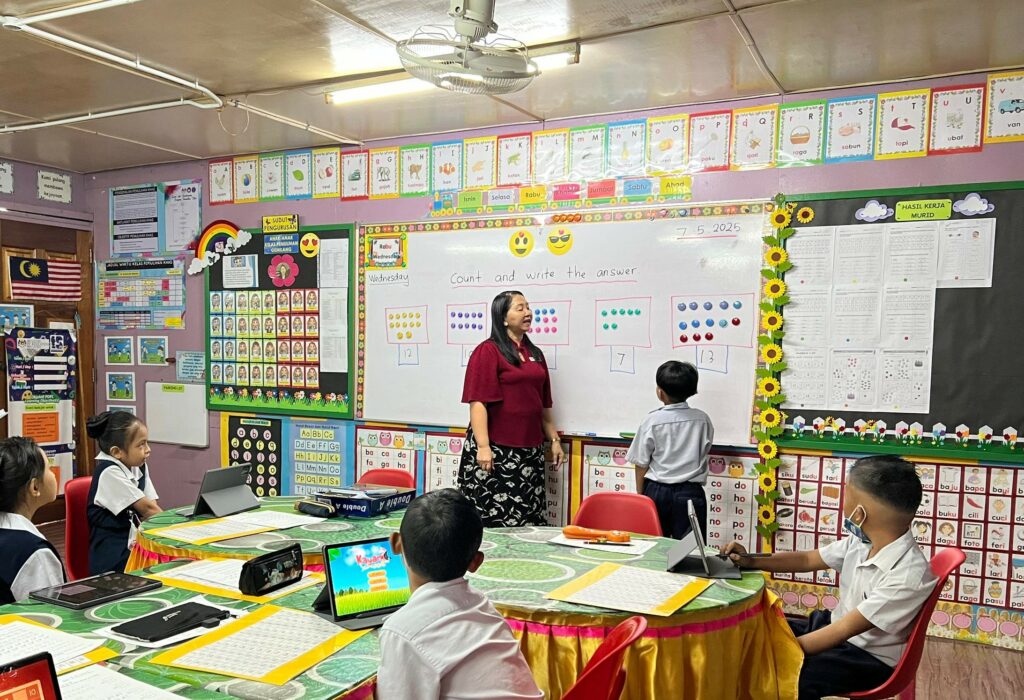
She worked closely with the school leadership and fellow teachers to organise how the programme would run. Together with the English Language coordinator, she arranged workshops and created a structured timetable so that teachers could integrate Kayam School and ENUMA School learning tools into their daily sessions.
But technology alone was never the answer.
What mattered most was understanding each child.
Diagnostic assessments helped her identify the specific areas where students were struggling. With that knowledge, she designed targeted support for her remedial class.
Her lessons became more than just worksheets and drills. She introduced phonics games, guided reading sessions, and repetition-based activities that helped students practise important skills in a way that felt encouraging rather than intimidating.
Most importantly, she kept the sessions short but frequent, allowing students to practise consistently without feeling overwhelmed.
Slowly, something began to change.
Students who once stayed quiet began raising their hands. Children who hesitated to read started trying again.
And with each small success, their confidence grew.
When Learning Becomes Something to Celebrate
As her students improved, Cikgu Magdeline began thinking about how to extend that spirit of learning across the school.
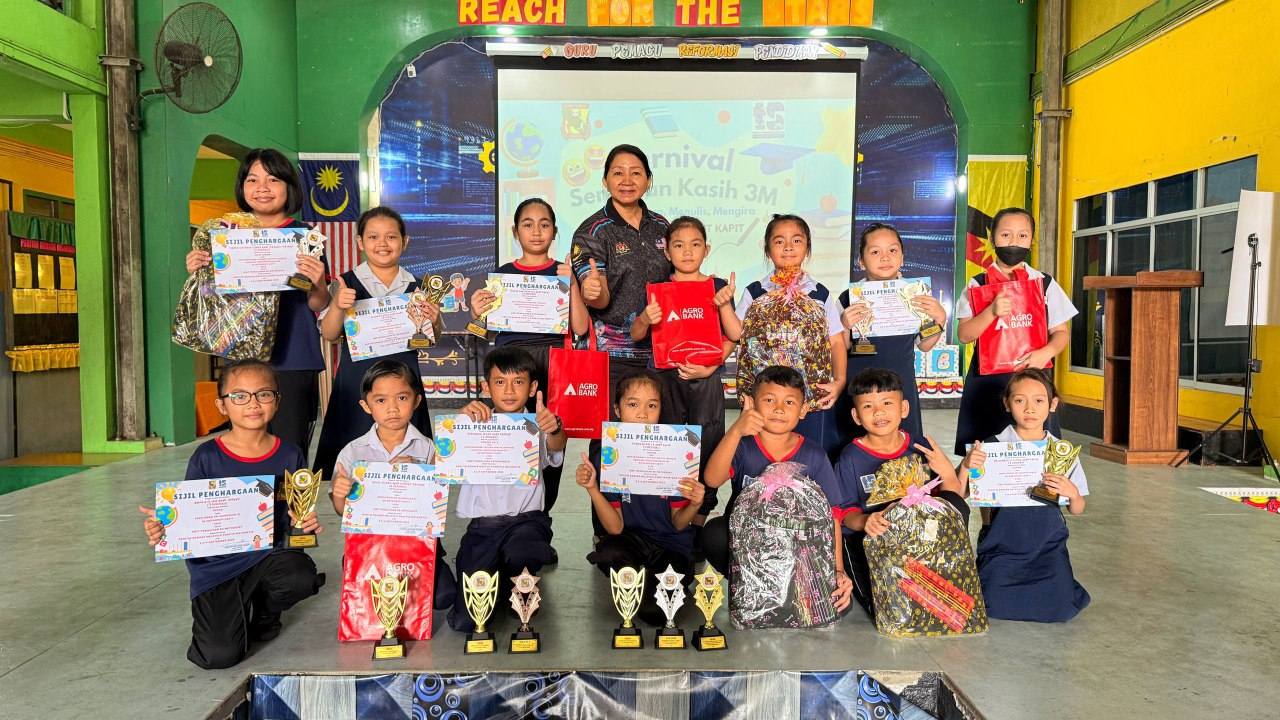
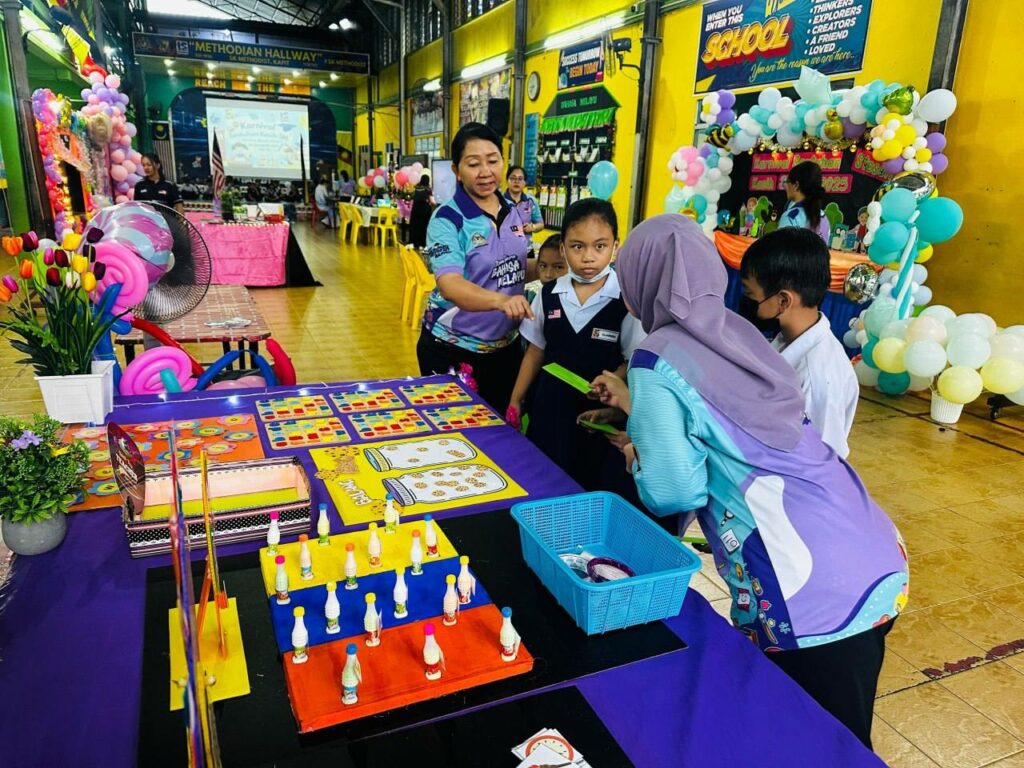
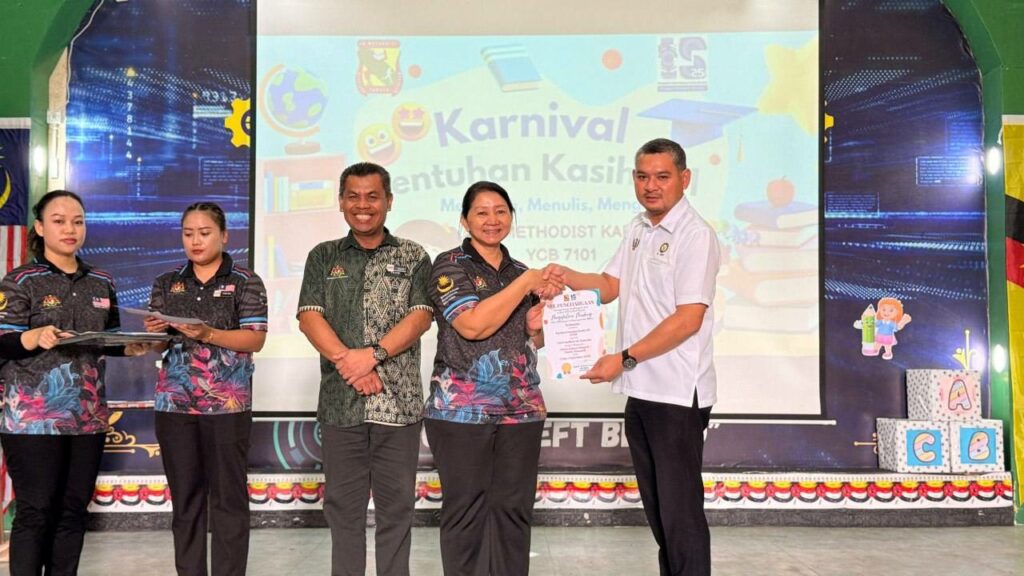
Driven by her passion to strengthen foundational skills for more children, she organised Karnival Sentuhan Kasih 3M, a school initiative designed to promote literacy and numeracy.
The event brought together students, teachers, and the school community in activities that celebrated learning rather than fearing it.
Within the school, she also encouraged teachers to work more closely together. During discussions and school visits, she often gathered teachers to reflect on their students’ progress and share ideas.
For her, teaching was never meant to be done alone.
“Every teacher who supports a student deserves to see the progress that student makes,” she says.
A Quiet Impact Felt Beyond the Classroom
Over time, Cikgu Magdeline’s dedication began to reach beyond her own school.
Her colleagues respect her not only for her experience but for her willingness to share what she has learned. Schools across Kapit have begun turning to her for guidance on how to support remedial students more effectively.
Her consistent efforts also placed her among the top Kayam and ENUMA users in Sarawak.
In 2025, her students achieved an extraordinary 94.12% exit rate from the remedial programme, exceeding her own target of 80%.
But when asked about the numbers, she gently shifts the focus. “The numbers are encouraging,” she says, “but what matters most is seeing the students believe in themselves again.”
The Lesson That Stayed With Her
Through this journey, Cikgu Magdeline discovered something that every teacher understands deeply.
Every child can learn, when given the right support, the right time, and a teacher who refuses to give up on them.
“Learning loss is not permanent,” she reflects. “With patience, consistency, and collaboration, students can catch up.”
Her journey also reminded her of the importance of being flexible as a teacher.
“At times we must slow down, adjust our methods, and truly understand what our students need.”
In recognition of her contributions, she was honoured during her school’s Majlis Anugerah Kecemerlangan, receiving the Anugerah Khas Guru Besar – Anugerah Pengurusan Anak Kita.
Yet for those who know her, the award simply reflects what they already see every day, a teacher who quietly works behind the scenes to ensure that no child is left behind.
Through her dedication, Cikgu Magdeline reminds us that behind every successful programme are educators who bring it to life.
Teachers who turn tools into opportunities.
Teachers who turn classrooms into places where hope can grow again.
💡Do you know?
What is Program Anak Kita?
Program Anak Kita is a learning support initiative designed to help primary school students strengthen foundational literacy and numeracy skills through structured teaching and digital learning tools.
How do digital learning tools help remedial students?
Digital learning apps such as Kayam School and ENUMA School provide interactive exercises that help students practise key skills while allowing teachers to track progress and tailor lessons to individual needs.
Why is remedial education important in primary schools?
Remedial education helps students close learning gaps early, preventing small difficulties in literacy or numeracy from becoming long-term academic challenges.