
🚀 Key Takeaways:
- Exposure comes before interest. Children can only discover what excites them when they have opportunities to try different activities, skills, and experiences.
- Motivation grows when something feels meaningful. Rather than asking only how to motivate a child, give them chances to find something they genuinely care about and want to pursue.
- Support without taking over. Parents can encourage curiosity, set high expectations, and provide guidance while still giving children room to experiment, struggle, and figure things out for themselves.
“My child doesn’t seem interested in anything.”
It’s a worry many parents have. You ask what they enjoy, what they want to learn, or what activity they would like to try, only to hear:
“I don’t know.”
But that may be a perfectly reasonable answer.
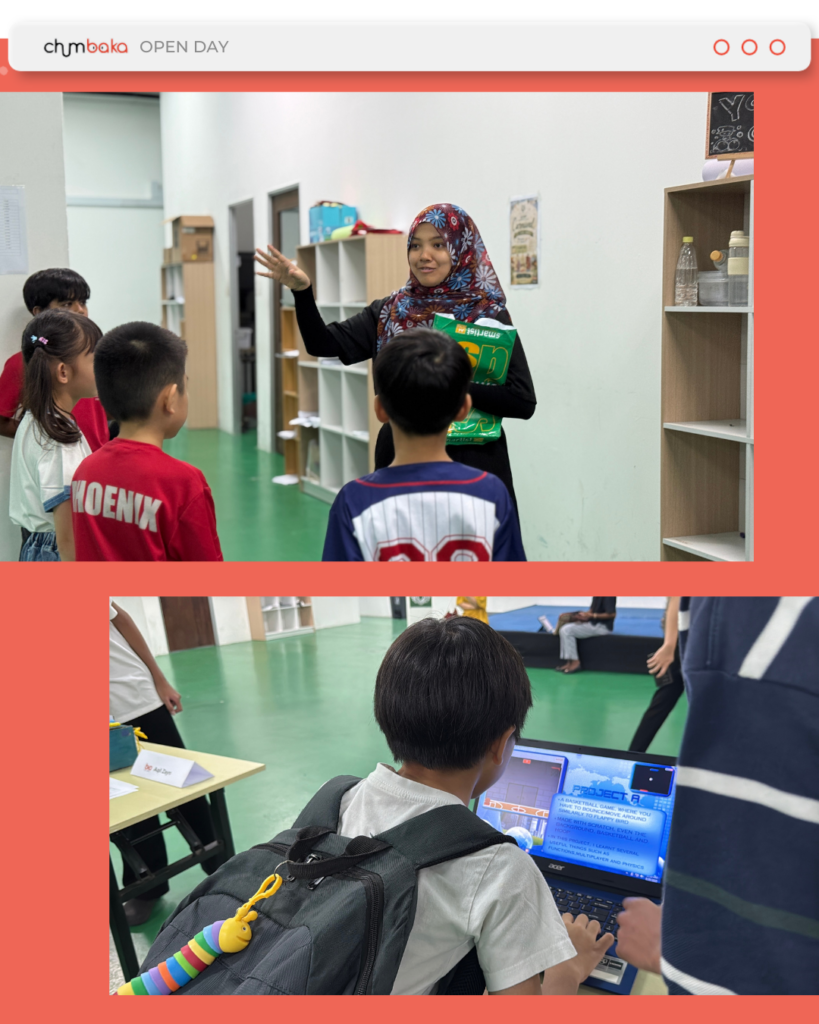
After all, how can a child know they enjoy robotics if they have never built a robot? How can they discover an interest in animation if they have never created one? How can they know whether coding excites them if technology has always been something they consume rather than create?
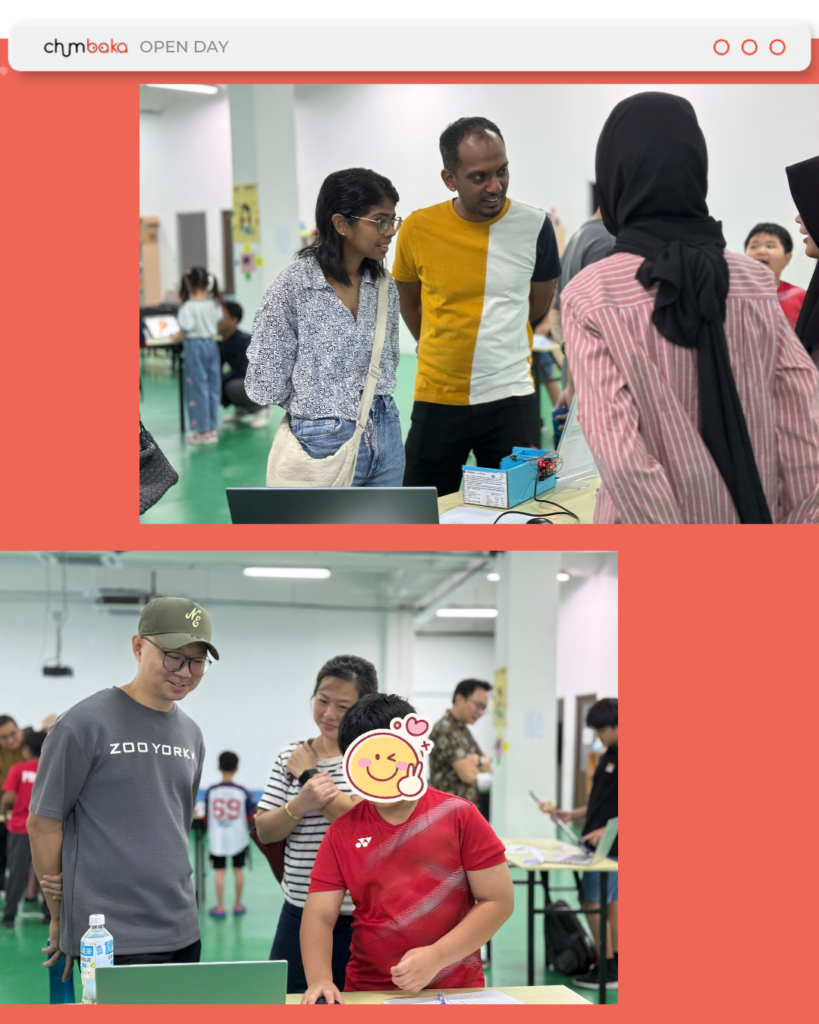
Helping children discover their interests starts with giving them opportunities to explore.
Think of it like food. It would be difficult to name your favourite dish if you had only ever tasted three. Somewhere out there might be something you love—you simply haven’t tried it yet.
The same applies to children’s interests.
A child fascinated by video games may discover that they enjoy game design or coding. A child who loves drawing might enjoy digital animation or 3D design. Another might discover through robotics or electronics that they love figuring out how things work.
Not every activity needs to become a lifelong passion.
The purpose of exposing children to different activities is not to decide their future for them. It is to help them learn more about themselves.
How Interest Can Affect a Child’s Motivation
This idea connects with psychologist David Yeager’s research, discussed in the People I (Mostly) Admire podcast episode “How to Help Kids Succeed.”
Yeager challenges the assumption that young people simply lack motivation. His research suggests that children and teenagers can show strong persistence when they care about what they are working towards.
He also advocates a “mentor mindset”—combining high expectations with high support, while giving young people ownership over the work.
For parents, that raises an important question.
Instead of only asking:
“How do I motivate my child?”
We might also ask:
“Has my child had enough opportunities to discover something they genuinely care about?”
When children do find something that sparks their curiosity, parents can support them without immediately taking over. Give them room to experiment, make mistakes, solve problems and experience the satisfaction of figuring things out.
Give Your Child More Opportunities to Explore
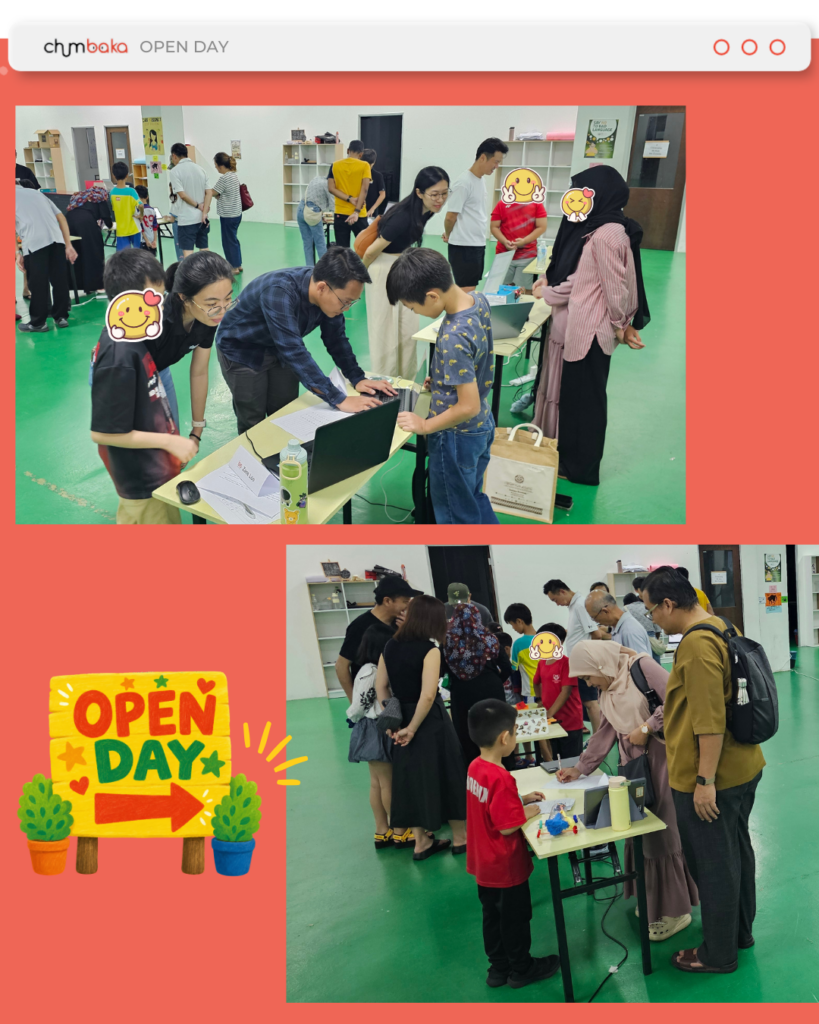
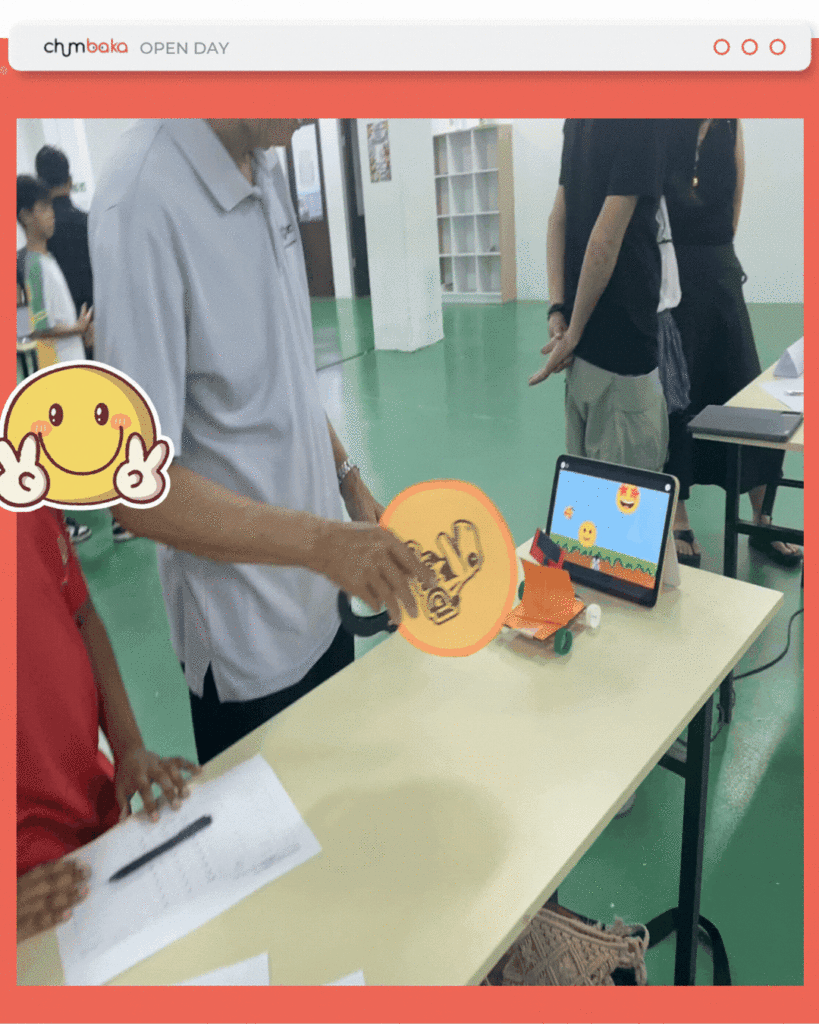
At Chumbaka, this is one reason we believe children should experience technology as creators, not just consumers.
Through activities such as coding, robotics, digital animation, electronics and 3D design, children get to experience different ways of thinking, creating and solving problems.
We are not expecting every child who learns coding to become a programmer.
Some children may discover a lasting interest in technology. Others might discover that they prefer design, storytelling, engineering or something completely different.
Both are valuable discoveries.
Because helping your child find their interests is not about finding their “one passion” as early as possible.
It is about giving them enough opportunities to discover what makes them curious.
Before children can decide which doors they want to walk through, someone first has to show them that those doors exist.
For parents who want to understand more about motivating and supporting young people, we recommend listening to David Yeager’s conversation with Steven Levitt in the People I (Mostly) Admire episode “How to Help Kids Succeed.” It offers useful insights into how parents and educators can combine support, expectations and autonomy to help young people grow.
Listen to the episode: How to Help Kids Succeed on Freakonomics.